
The historical evolution of casinos from ancient games to modern entertainment hubs
The Origins of Gambling: Ancient Civilizations
The roots of gambling can be traced back to ancient civilizations, where games of chance emerged as an integral part of social and cultural life. Archaeological evidence indicates that as far back as 3000 BC, the Chinese played games using tiles, which are believed to be early forms of gambling. Similarly, the Egyptians engaged in dice games, often associated with their religious practices and societal rituals. These early forms of gambling laid the foundation for the development of more structured gaming environments, setting the stage for future gambling establishments. Today, players interested in low-deposit options can explore 10 Dollar PayID Pokies Australia, which provide convenient gaming avenues.
In ancient Rome, gambling was both a popular pastime and a source of legal controversy. The Romans enjoyed various games, including dice and betting on gladiatorial contests. Despite efforts to regulate gambling, it flourished within the empire, demonstrating its appeal across different social classes. This period marked the beginning of gambling’s integration into societal norms, fostering a culture where betting became a form of entertainment among the elite and common citizens alike.
The evolution of gambling in ancient civilizations also highlighted its role in economic transactions. As trade expanded, games involving chance became linked to the exchange of goods, creating a primitive form of the modern casino. These early games were not just about chance but also reflected the cultural values and social dynamics of their respective societies, showcasing how deeply embedded gambling was in human history.
The Middle Ages: Transition to Structured Gaming
The Middle Ages saw a significant shift in gambling practices, with the establishment of more formalized gaming establishments. In Europe, particularly in Italy, gambling houses began to emerge, offering a variety of games to eager players. These establishments were often grand and ornate, reflecting the wealth of the nobility who frequented them. The introduction of card games in this period marked a pivotal moment, as they quickly gained popularity among different social strata, paving the way for future gaming innovations.
The concept of casinos began to take shape during this time, particularly with the opening of the first official casino, the Casino di Venezia, in 1638. This establishment became a model for future gaming houses across Europe, emphasizing not just gambling but also social interaction, dining, and entertainment. Such venues contributed to the idea of casinos as multifaceted entertainment hubs, a notion that continues to evolve to this day.
Throughout the Middle Ages, gambling faced its share of challenges, including moral and legal opposition from the church and governments. Despite this, the allure of chance persisted, leading to a robust underground gambling culture that thrived even in the face of restrictions. This duality reflected the ongoing tension between societal norms and the human desire for risk and reward, setting the stage for the burgeoning casino industry of the modern era.
The Age of Enlightenment: Birth of Modern Casinos
The Age of Enlightenment brought about significant changes in gambling, culminating in the establishment of modern casinos. The early 18th century saw the emergence of gaming houses in France, where the games of roulette and baccarat gained immense popularity. These establishments offered a refined atmosphere, attracting the elite and establishing a reputation for sophistication and luxury. This period marked a critical transition as gambling evolved into a form of high society entertainment.
The formalization of gaming laws and regulations during this era also played a pivotal role in the development of casinos. Governments recognized the economic potential of gambling, leading to the creation of state-run lottery systems and the regulation of private gaming houses. This transition helped to legitimize casinos, distancing them from the stigma of illicit gambling and paving the way for a more structured industry.
As the concept of the casino spread throughout Europe, it began to influence gambling culture in other parts of the world, particularly in the Americas. The establishment of casinos in cities like New Orleans and later Las Vegas showcased the adaptability of the casino model. As a result, casinos transitioned from mere gambling venues to comprehensive entertainment complexes, blending gaming with dining, shows, and nightlife—an evolution that would define the modern casino landscape.
The Modern Era: Casinos as Entertainment Complexes
The late 20th century marked the transformation of casinos into sprawling entertainment hubs, with Las Vegas at the forefront of this evolution. The introduction of mega-resorts changed the landscape of gambling, combining luxurious accommodations, high-end dining, and extravagant shows with gaming experiences. This shift emphasized the importance of providing a holistic entertainment experience, attracting not only avid gamblers but also families and tourists seeking leisure and excitement.
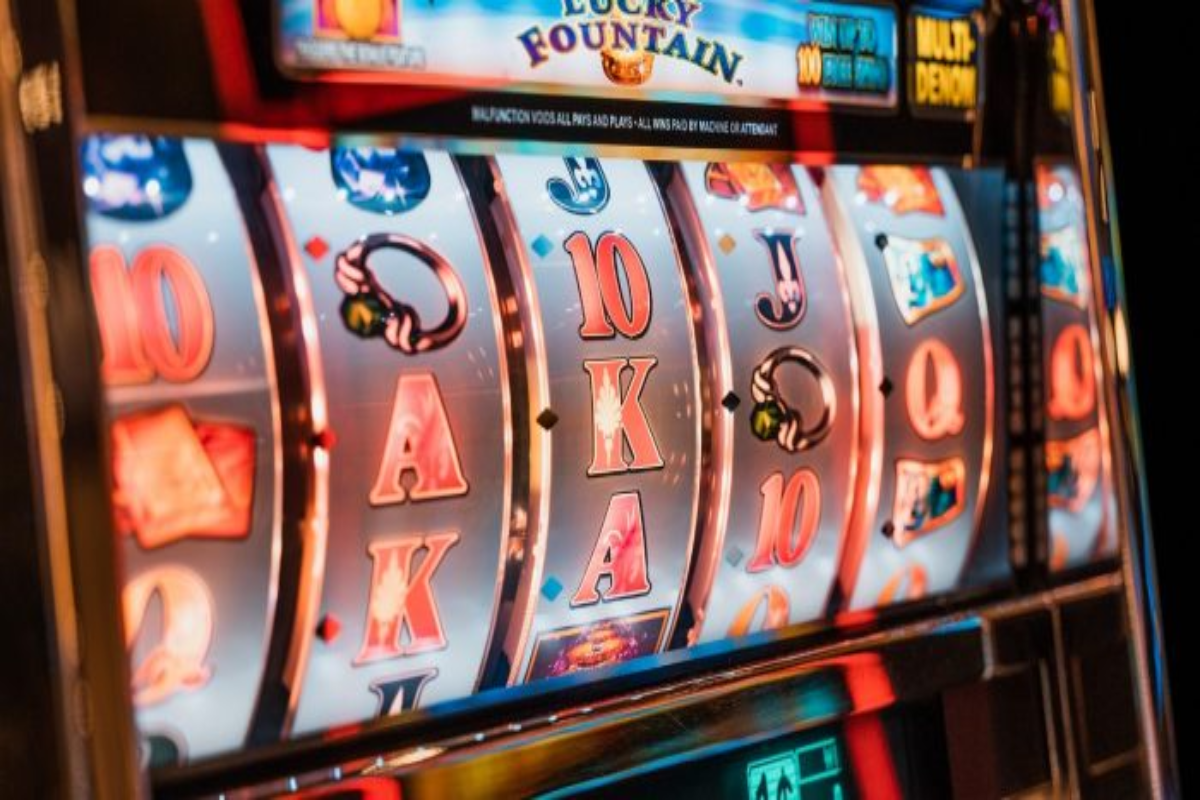
Technological advancements also played a crucial role in the evolution of modern casinos. The rise of digital gaming, particularly online casinos, revolutionized the industry by expanding access to gambling. Players could now enjoy their favorite games from the comfort of their homes, leading to a significant increase in participation. As a result, traditional casinos adapted to incorporate technology, introducing electronic gaming machines and online betting options, ensuring they remained competitive in a rapidly changing environment.
The modern casino also emphasizes responsible gaming, incorporating measures to promote safe and sustainable gambling practices. With the increased awareness of gambling addiction, casinos are now more focused on creating an environment that prioritizes player safety. This includes offering resources for players, implementing self-exclusion programs, and educating customers about responsible gambling, thereby reinforcing the idea that entertainment should be enjoyable and safe.

Your Guide to Modern Casinos and Gambling Resources
Our comprehensive guide aims to provide valuable insights into the evolving world of casinos, catering to players who seek to navigate this dynamic industry. From understanding the historical context of gambling to exploring the latest trends in online gaming, our resource offers a wealth of information for both seasoned players and newcomers. We focus on responsible gaming practices to ensure that everyone can enjoy their experience without compromising their well-being.
We also delve into various casino options, highlighting low-deposit casinos that accommodate players looking for accessible and manageable ways to engage in gaming. With detailed information on deposit methods, bonus conditions, and withdrawal processes, our guide helps users make informed decisions. Our goal is to enhance the gaming experience, fostering a community that values enjoyment, safety, and fairness.
As the casino landscape continues to evolve, staying informed is crucial for players. Our website is dedicated to providing up-to-date information, resources, and guidance to help individuals maximize their gaming experiences. Whether you’re interested in traditional casinos or the growing world of online gambling, our guide offers the tools necessary to navigate the complexities of this exciting industry with confidence.